
June 21st – the longest day or night of the year (hemisphere dependent), stands tall as World Giraffe Day, amidst a calendar of conservation. This is thanks to our partners the Giraffe Conservation Foundation (GCF) who recognised that giraffes didn’t have a day of their own and felt they deserved a date with conservation.
“World Giraffe Day has become the biggest day of the year to celebrate all four species of giraffe, increasing awareness and education, and helping to raise critical funds for our conservation efforts across Africa,” says Dr Julian Fennessy, Co-Founder and Director of Conservation at GCF.
The giraffe is such a stalwart of African wildlife it seems impossible that such an iconic creature might be facing a conservation crisis, and yet the giraffe’s future is by no means assured.
According to GCF – the only NGO in the world that concentrates solely on the conservation and management of giraffe in the wild throughout Africa, ‘over the past 35 years, giraffe numbers have decreased by nearly 30%. In regions once considered prime habitats, their numbers have dropped by up to 95%, and giraffe have lost nearly 90% of their historical range over the last three centuries.
“There was a lack of scientific and conservation awareness about the plight of giraffe when we first started studying them,” recalls Julian. “It was our team at GCF that sounded the alarm for their silent extinction and realised that giraffe needed our urgent help. Our mission is to secure a future for all giraffe populations in Africa, and we can now see that we are making a difference for giraffe.”
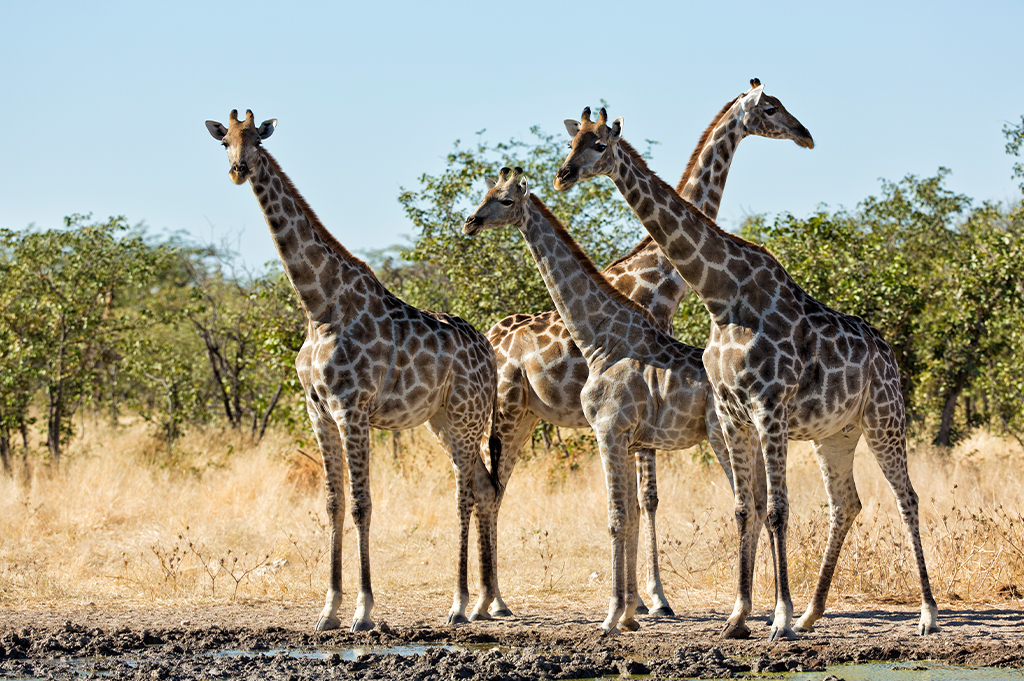
David Attenborough referred to this as a ‘silent extinction’. Through extensive field research and collaboration with governments, NGOs and universities, GCF has reshaped global understanding of giraffe biology. Their work identified four distinct giraffe species, rather than a single species as previously believed, elevating the conservation urgency for several populations now classified as Endangered or Critically Endangered. They are among the most endangered large mammals on the planet.
It is believed that historically around one million giraffe roamed freely throughout Africa, but in the late 1800s a highly contagious viral disease known as rinderpest arrived with infected cattle from Europe and decimated the giraffe population.
According to GCF, the first reliable giraffe numbers come from the 1980s when there were roughly 155,000 giraffe in Africa. Over the years, limited information has been available but in 2020, GCF estimated Africa’s giraffe population at 117,000 individuals in Africa – a 30% decrease. Thanks to the ongoing efforts of GCF and its partners, things are changing for the better. Increased awareness, improved data collection, and targeted conservation work have led to many success stories. However, progress isn’t uniform — conservation outcomes still vary across the different giraffe species.
Our Foundation has supported GCF since we began. Our early support started through Hoanib Valley Camp where 60% of the 1.5% conservation levy from every guest’s stay is donated to GCF. In northwest Namibia, a uniquely desert-adapted population of Angolan giraffe survives in one of the harshest environments on Earth. Protecting these giraffes requires sustained research, local engagement and long-term monitoring. We work with GCF to better understand and safeguard this remarkable population. By supporting long-term research, awareness and on-the-ground monitoring, this project helps ensure that desert-dwelling giraffes remain part of Namibia’s arid landscapes and stay protected long into the future.
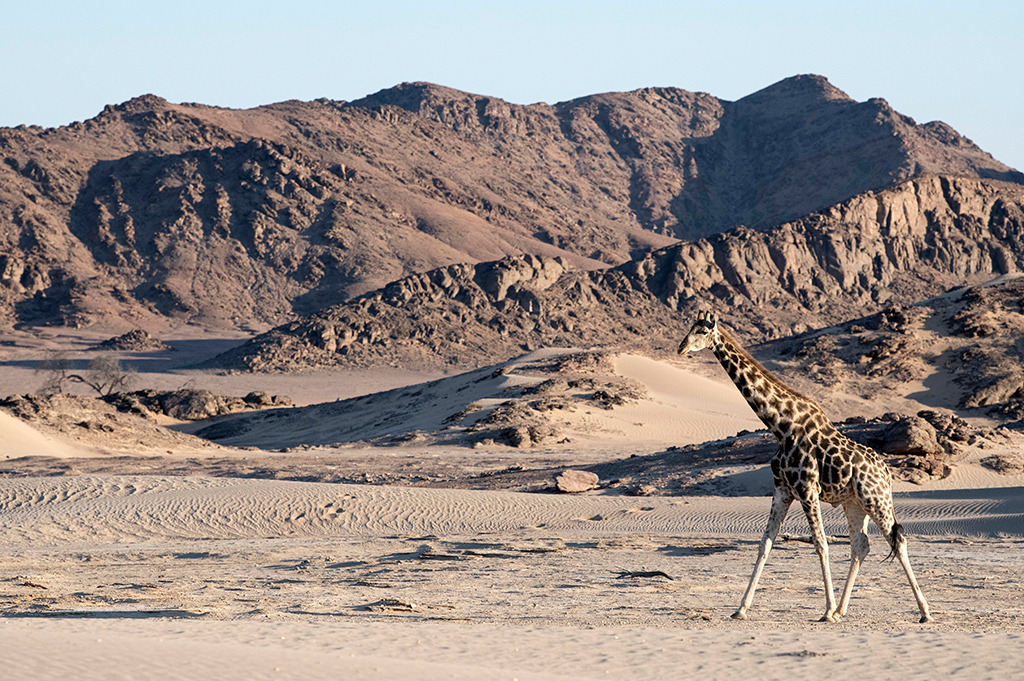
We’ve also collaborated with GCF in Etosha Heights through the Etosha Heights Conservation Centre, a collaboration between GCF, the Namibia University of Science & Technology Biodiversity Research Centre and Etosha Heights Private Reserve. Giraffe tagging conducted here has significantly advanced understanding of movement ecology within Etosha Heights and the greater Etosha southwest landscape. These findings inform practical land-use decisions, ensuring conservation planning is guided by long-term ecological data.
In parts of southern Africa, giraffe conservation has moved beyond protection to restoration. Natural Selection has supported the translocation of 14 giraffe from Namibia to Iona National Park, where decades of civil conflict eliminated them from the areas they once inhabited.
This work represents more than species movement. It marks the re-establishment of ecological function across borders—guided by genetic research, habitat suitability assessments and long-term monitoring to ensure population viability.
Then there’s Botswana. As landscapes change, understanding how giraffe move—and why—has become critical. In 2022, Natural Selection funded Botswana’s first country-wide giraffe DNA sampling project, collecting 118 samples from 26 locations. The research clarified giraffe distribution and taxonomy, informed national conservation planning, and contributed to the Kavango Zambezi Transfrontier Conservation Area (KAZA) Giraffe Conservation Strategy.
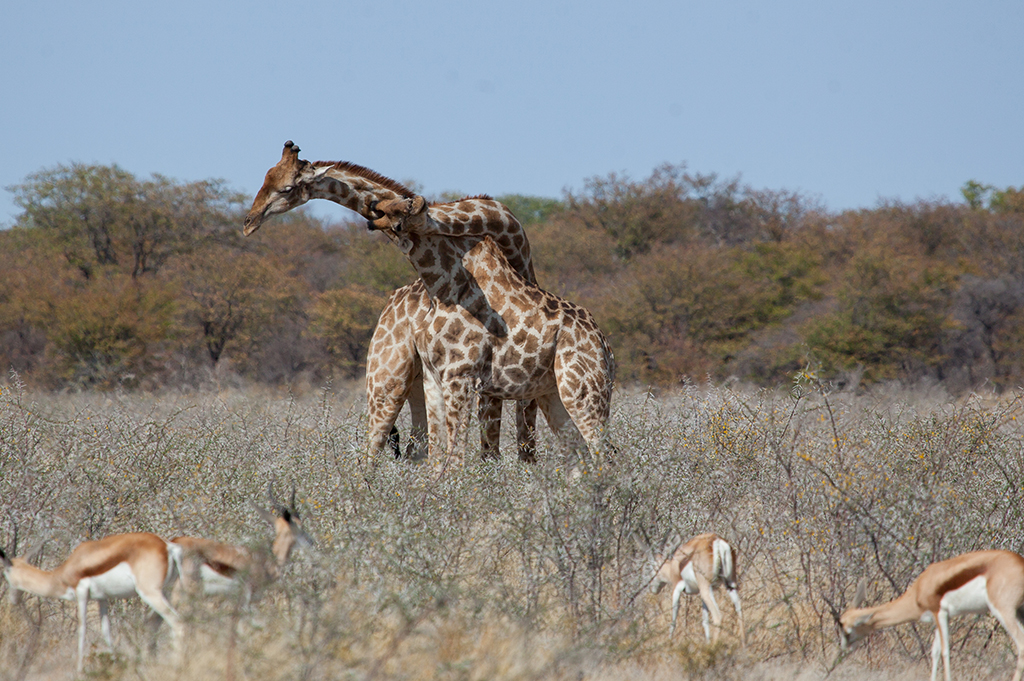
Building on this foundation, Natural Selection is funding GCF’s giraffe tagging and movement ecology programme through 2026 and beyond. Using GPS satellite tracking, this work delivers the first detailed insights into giraffe movements within Botswana and across international boundaries—data essential for understanding habitat connectivity and managing populations in a rapidly changing, human-dominated landscape.
The countrywide initiative includes several Natural Selection properties, with Khwai Private Reserve and Mokolwane (NG29) identified as priority research sites. Four Natural Selection team members—two zoologists, a Khwai Private Reserve ranger and a Thamo Telele guide—are actively involved in fieldwork, strengthening local capacity and long-term monitoring efforts. At Thamo Telele meanwhile, we have established a Giraffe Education Programme that combines immersive visitor experiences with conservation awareness. While not directly involved in field research, Thamo Telele plays a key role as a champion of giraffe conservation in Botswana, using its interactive giraffe sundowner experience to translate research into accessible, meaningful conservation awareness for guests and local communities alike.
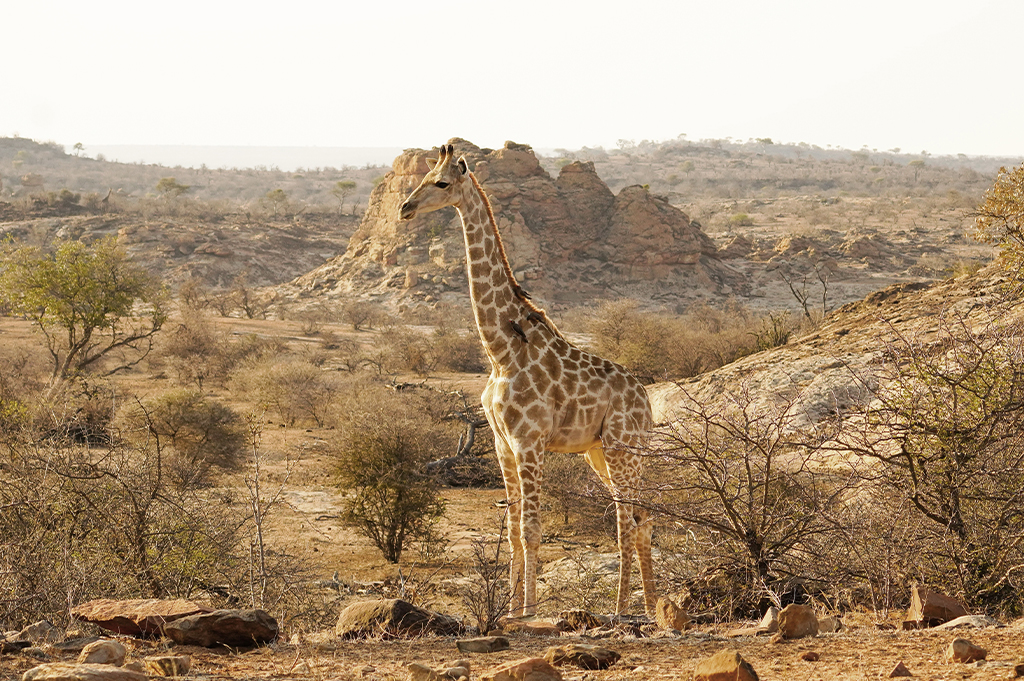
Giraffe conservation is about far more than protecting a single species. Giraffe are vital to Africa’s ecosystems as they shape, pollinate and maintain healthy savannah habitats, supporting biodiversity across entire landscapes. Conservation efforts also support local livelihoods, scientific research and long-term ecosystem resilience.
“Giraffe are iconic,” smiles Julian. “They’re also vital to Africa’s ecosystems as they shape, pollinate and maintain healthy savannah habitats, which supports biodiversity. Culturally and economically, they are iconic symbols for African people, attracting ecotourism that supports conservation and local livelihoods”.
As World Giraffe Day approaches, it serves as an important reminder that conservation success depends on collaboration, research, education and long-term commitment. Through our partnership with GCF, we remain committed to helping secure a future for giraffe populations across Africa.