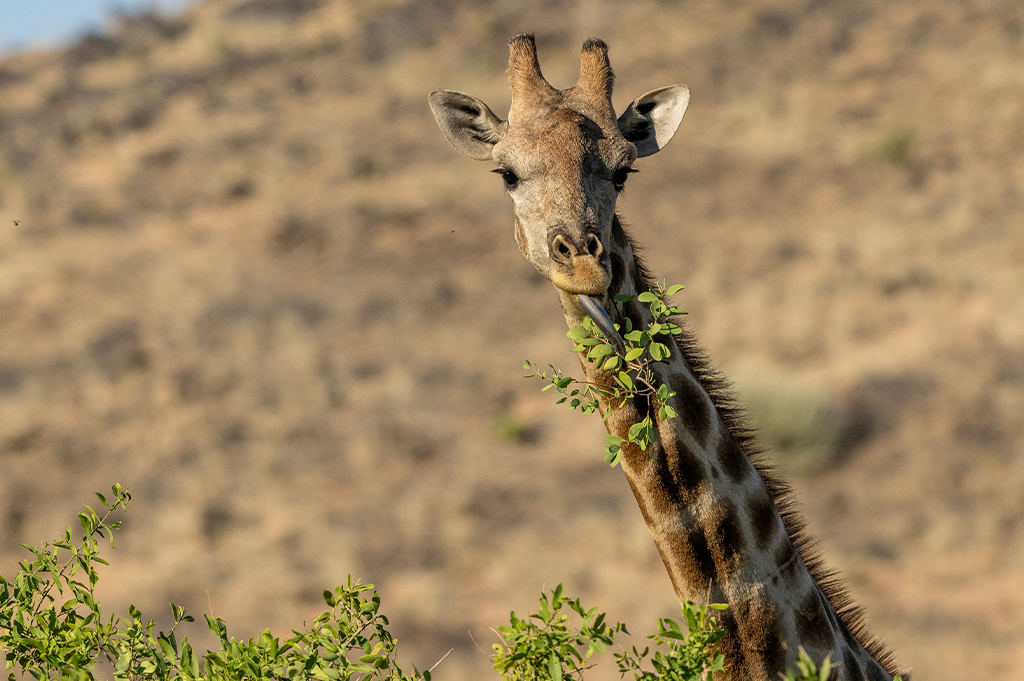
Giraffe conservation lies at the heart of our work, which is why we are proud, long-standing partners of the Giraffe Conservation Foundation (GCF). Guests who have spent time at Thamo Telele, our lodge just outside Maun in Botswana, may have met giraffe scientists Katie Ahl and Emma Wells. Their engaging introductions to the resident giraffe — complete with individual personalities and behaviours — are always paired with a deeper conversation about the state of giraffe conservation across Africa.
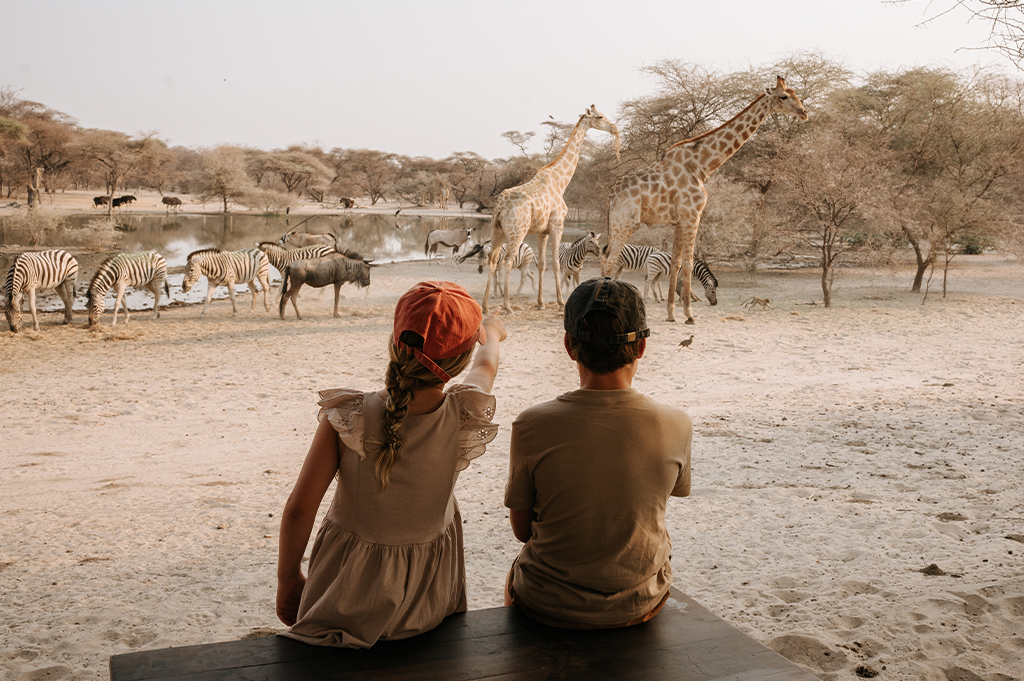
Katie and Emma are uniquely placed to lead these discussions. Both previously worked with GCF, coordinating the collection of giraffe DNA samples in Botswana as part of the Foundation’s long-running Giraffe Genetic Testing Programme. For more than two decades, the GCF team has gathered genetic samples from all major giraffe populations across the continent, building one of the most comprehensive datasets of its kind.
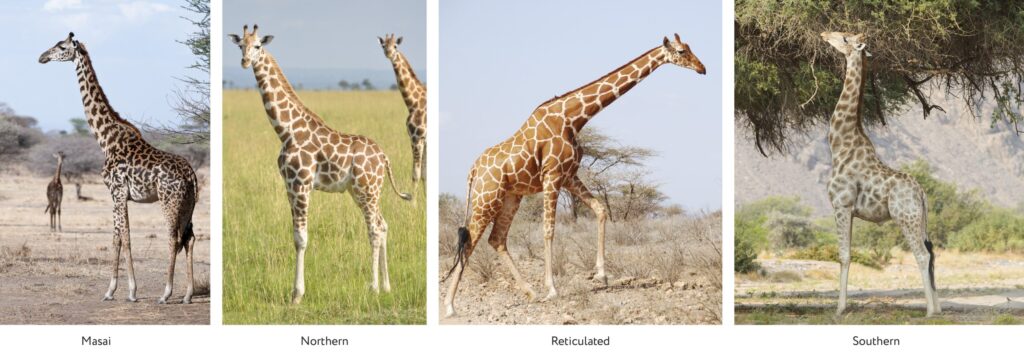
This body of research has ushered giraffe conservation into a transformative new chapter. For the first time in history, giraffe are officially recognised as four distinct species, rather than a single species as classified since 1758. This landmark breakthrough stems from collaborative genetic research led by GCF in partnership with the Senckenberg Biodiversity and Climate Research Centre (SBiK-F)
The announcement, made by the IUCN SSC Giraffe and Okapi Specialist Group (GOSG), formally recognises Masai, northern, reticulated and southern giraffe as separate species. Each occupies a different range, faces distinct pressures and exists in vastly different numbers. Conversations with our partners at GCF suggest that as many as three of these newly recognised species may already be under serious threat.
“What a tragedy it would be to lose a species we’ve only just identified,” says Stephanie Fennessy, co-founder and Executive Director of GCF.
Conservationists hope this reclassification will act as a catalyst for stronger, more targeted international conservation action.
“Each giraffe species is affected by different threats,” explains Dr Julian Fennessy, GCF co-founder and Director of Conservation. “Recognising them as separate species allows us to design and implement conservation strategies that respond to their specific needs. It gives governments, conservation organisations and global partners the clarity needed to act — before it’s too late.”
The initial discovery emerged in 2016, when SBiK-F and GCF published genetic findings revealing deep evolutionary differences between giraffe populations.
“To describe four new large mammal species more than 250 years after formal taxonomy began is extraordinary,” says Prof. Axel Janke of SBiK-F. “Especially for an animal as iconic and visible as the giraffe. Genetically, the distinctions between giraffe species are comparable to those separating brown bears from polar bears.”
The next phase of work will see the IUCN SSP GOSG formally assess each giraffe species for inclusion on the IUCN Red List of Threatened Species — a critical step in determining conservation priorities and funding pathways.
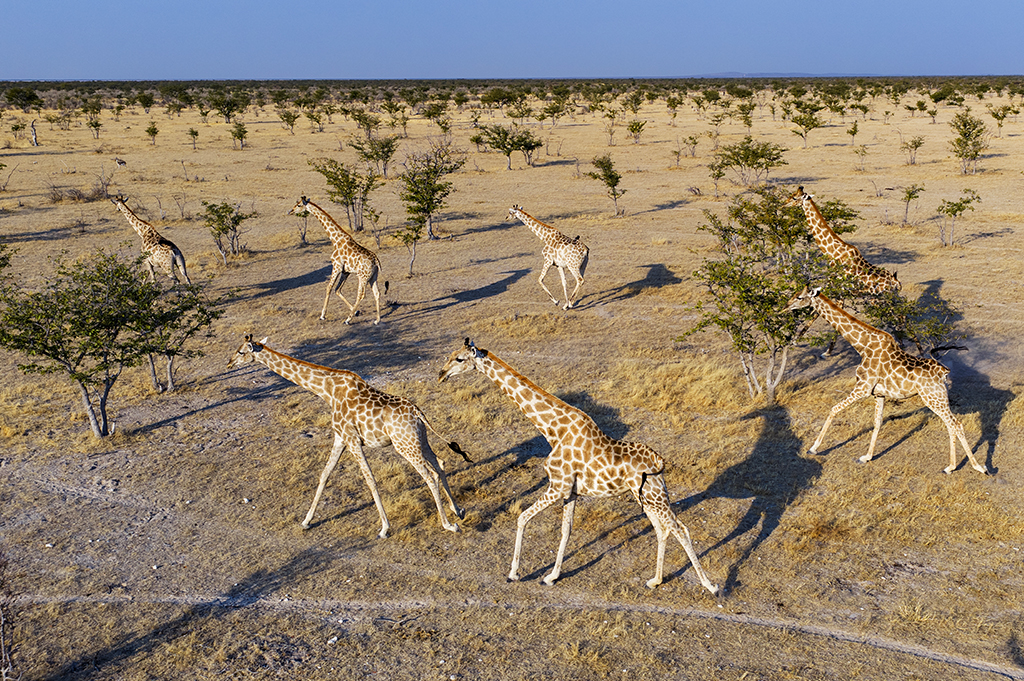
“This revelation may come as a surprise to many,” Julian adds. “But it highlights how vital it is to combine field research with genetic science if we want conservation decisions that truly protect biodiversity.”
Learn more about supporting giraffe conservation research.
For guests eager to engage more deeply, Katie and Emma continue to expand giraffe conservation awareness through the Giraffe Conservation Safari. This immersive nine-day journey across Namibia brings together a small group of passionate travellers to explore Etosha Mountain Lodge, Hoanib Valley Camp and Shipwreck Lodge, while participating in hands-on conservation initiatives alongside two of Africa’s leading giraffe specialists.
A portion of the safari proceeds goes directly towards giraffe conservation, ensuring that every journey contributes to the long-term survival of these remarkable animals.