When people and wildlife compete for space and resources, conflict becomes unavoidable. In northern Botswana, where elephant numbers are high and many families rely on small-scale farming, human–elephant conflict is a daily reality. Crop damage, loss of food security and income, infrastructure damage and, at times, injury or loss of life make effective solutions essential to long-term coexistence.
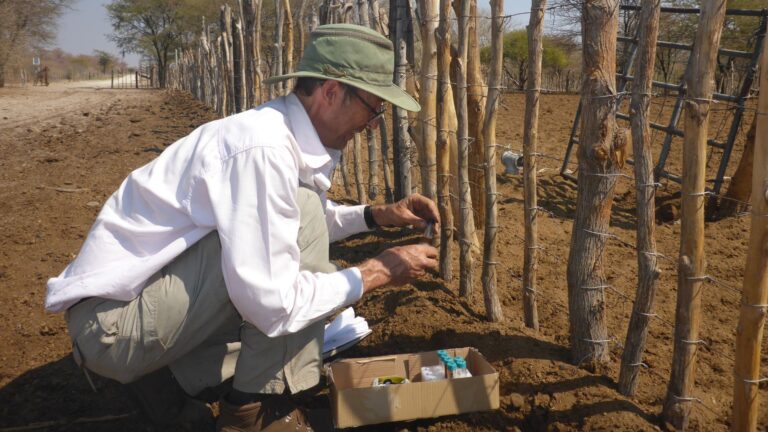
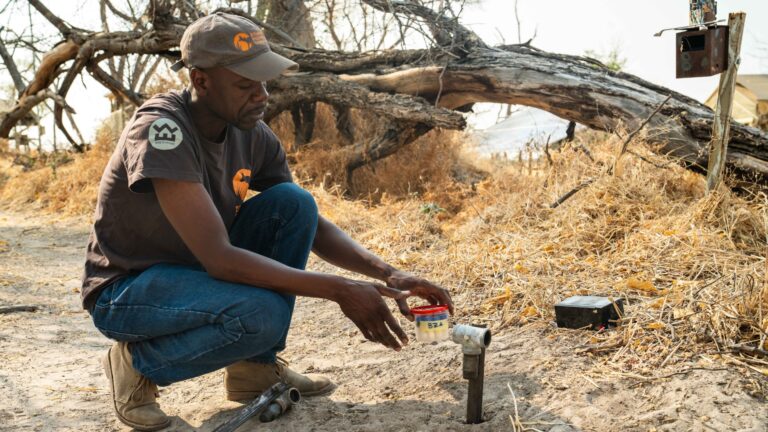
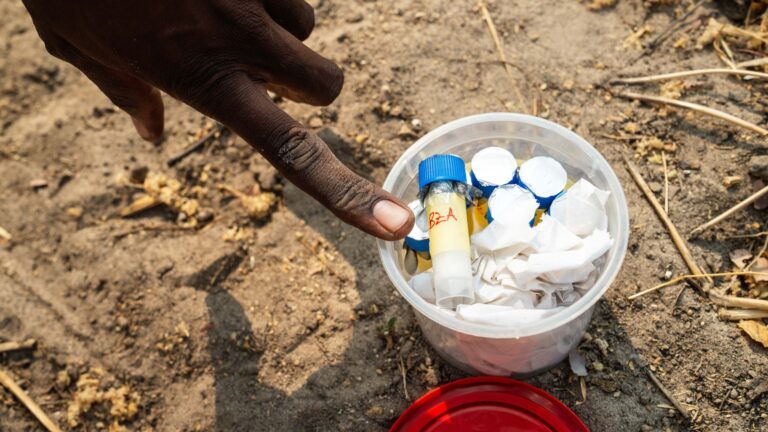
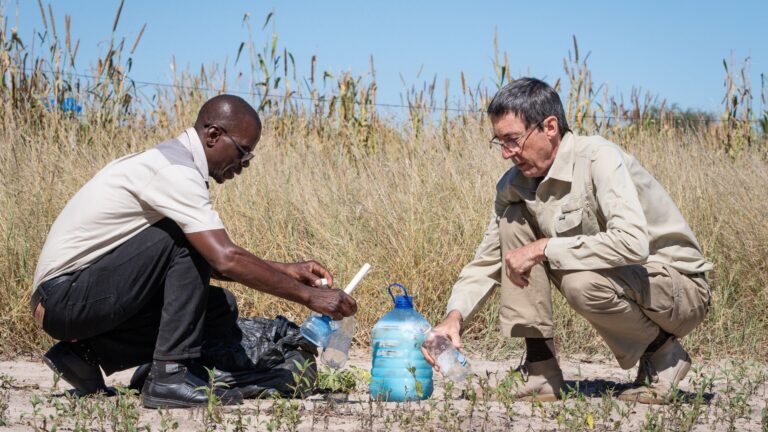
To help address this, Natural Selection supports the Botswana Predator Conservation (BPC) BioBoundary Project. This research-led initiative explores the use of plant-based, airborne repellents to protect crops, infrastructure and shared spaces from wildlife incursions. The project builds on the discovery that a readily available, safe and natural substance can act as a powerful deterrent to elephants. This offers the first credible alternative to chilli-based repellents and suggests that other effective, non-harmful deterrents may still be discovered.
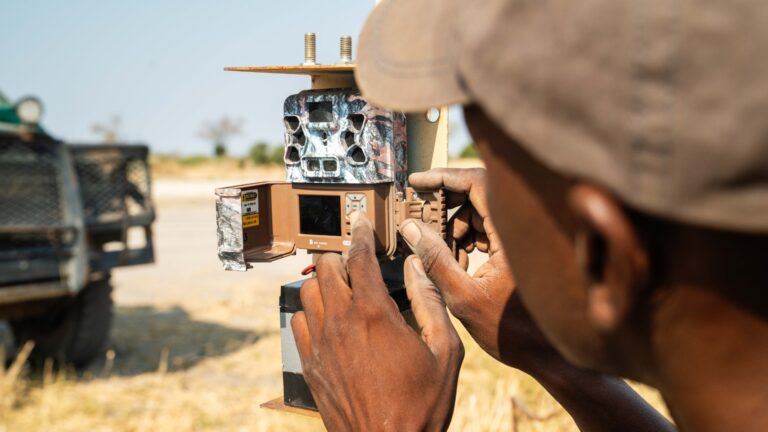
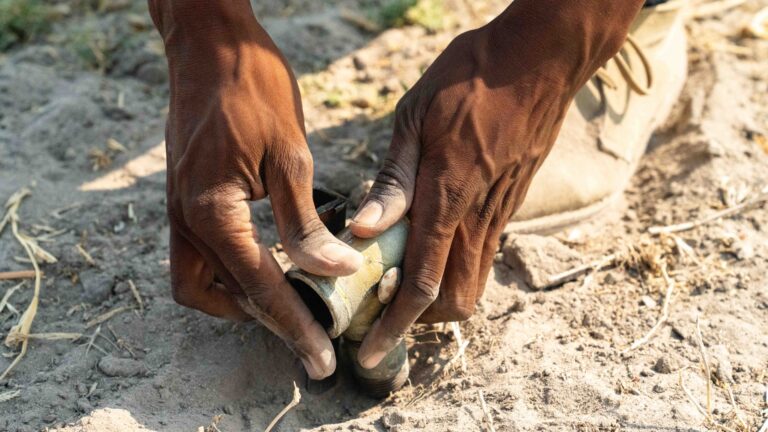
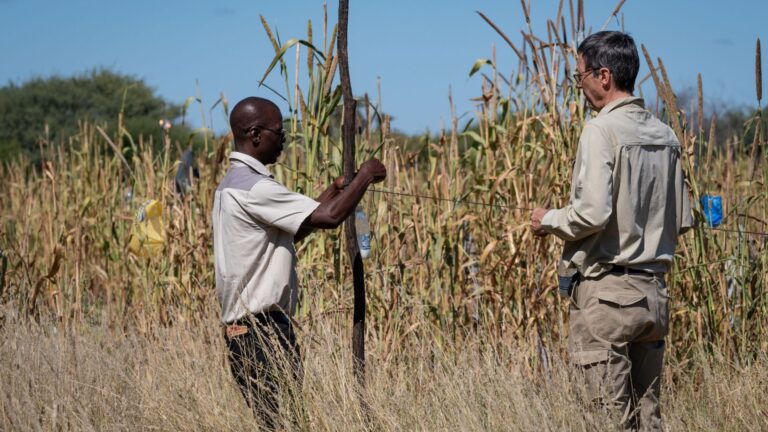
Camera trap footage has already shown encouraging results, with elephants avoiding gaps in fencing even along established movement routes. Similar behavioural responses have also been observed when testing repellents for predators such as wild dogs and hyena. The long-term goal of the BioBoundary Project is to develop low-cost, low-tech ways to deploy repellents using locally available materials. By refining how and where deterrents are applied, the project aims to provide practical tools communities can manage themselves – reducing conflict without harming wildlife or fragmenting landscapes.
At its core, the BioBoundary Project is about balance. By combining scientific research with real-world application, it seeks to protect livelihoods while supporting safer, more sustainable coexistence between people and wildlife.
SPOTTED HYENA RESEARCH | OKAVANGO DELTA
As part of the BioBoundary Project, Botswana Predator Conservation is studying the movement and behaviour of spotted hyenas in the Okavango Delta. Highly adaptable and often living close to people, hyenas are a key species for understanding conflict and coexistence in shared landscapes.
The research explores how hyenas respond to olfactory deterrents and how scent influences movement and space use. Field observations, camera traps and GPS collaring help assess whether non-lethal deterrents can reduce conflict without limiting natural movement.
A LoRa-based telemetry network now supports high-resolution tracking across the study area. Working with the Okavango Research Institute, the project also supports student training and helps develop practical, science-led tools for coexistence between people and predators.