
Africa is home to two distinct elephant species: the African Forest Elephant (Loxodonta cyclotis), which inhabits the rainforests of West and Central Africa, and the more familiar African Savanna Elephant (Loxodonta africana), found across much of sub-Saharan Africa. Both species are under pressure. Forest elephants are classified as Critically Endangered by the IUCN, while savanna elephants are listed as Endangered—a sobering reality for one of the continent’s most iconic animals.
It is the African Savanna Elephant that moves through the landscapes where we operate, and it is this species that sits at the heart of our conservation work.
Savanna elephants are the largest land mammals on Earth, and encountering one in the wild often feels as awe-inspiring as childhood imagination promised. But beyond their size and presence, these giants play a vital ecological role. As natural ecosystem engineers, they shape savanna and woodland habitats by controlling tree density, dispersing seeds, and creating space for grasses and smaller plants to flourish. In doing so, they support an extraordinary diversity of life.
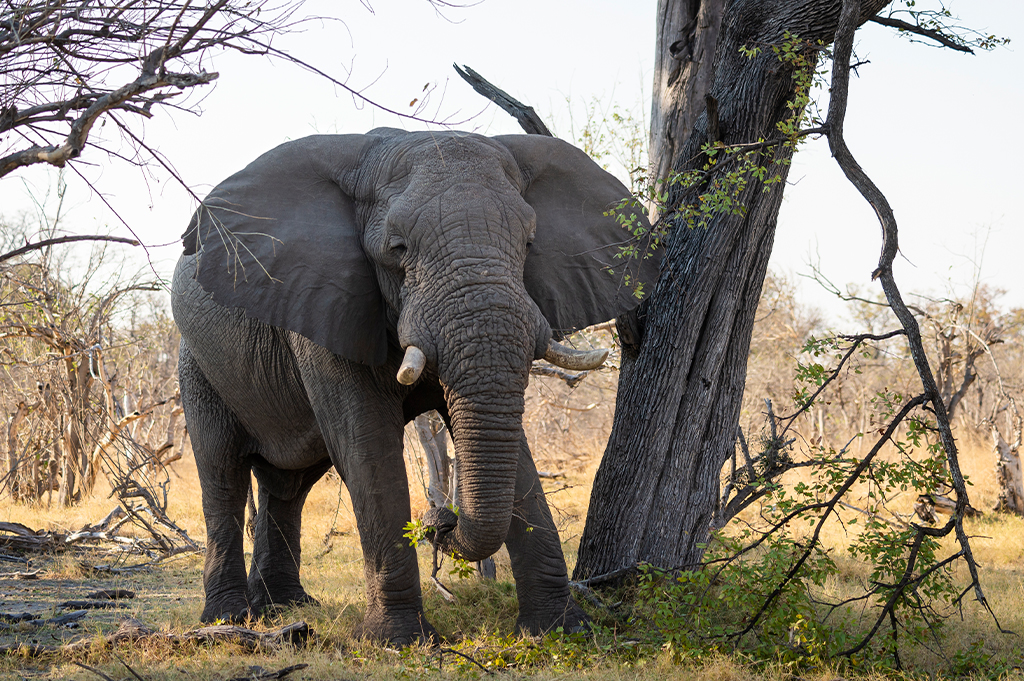
Despite their importance, savanna elephants face mounting threats—many of which stem from increasing contact with people. The illegal ivory trade remains a significant danger. Although international trade in elephant ivory has been banned under CITES since 1990, demand persists, and thousands of elephants are still killed each year for their tusks.
Beyond poaching, habitat loss and fragmentation pose equally serious challenges. As human populations expand, elephants increasingly encounter villages, farms, and infrastructure along ancient migratory routes. Their natural movements—once uninterrupted—now bring them into direct conflict with people. Crops are damaged, water points destroyed, and infrastructure compromised, often unintentionally. These encounters put both human lives and elephants at risk, and retaliatory killings remain a real concern.
Our response to elephant conservation is deliberately multi-layered, addressing both immediate threats and long-term coexistence.
Education and Youth Engagement
Education is foundational to lasting conservation success. We support a range of youth-focused initiatives that foster understanding, curiosity, and respect for wildlife among children living in wildlife-adjacent communities.
In Botswana, Lessons in Conservation delivers accessible conservation education in rural areas, helping young people understand the value of the wildlife around them. We also work with Elephants for Africa to support an Environmental Club that connects local children with the elephants moving past their village near Meno a Kwena.
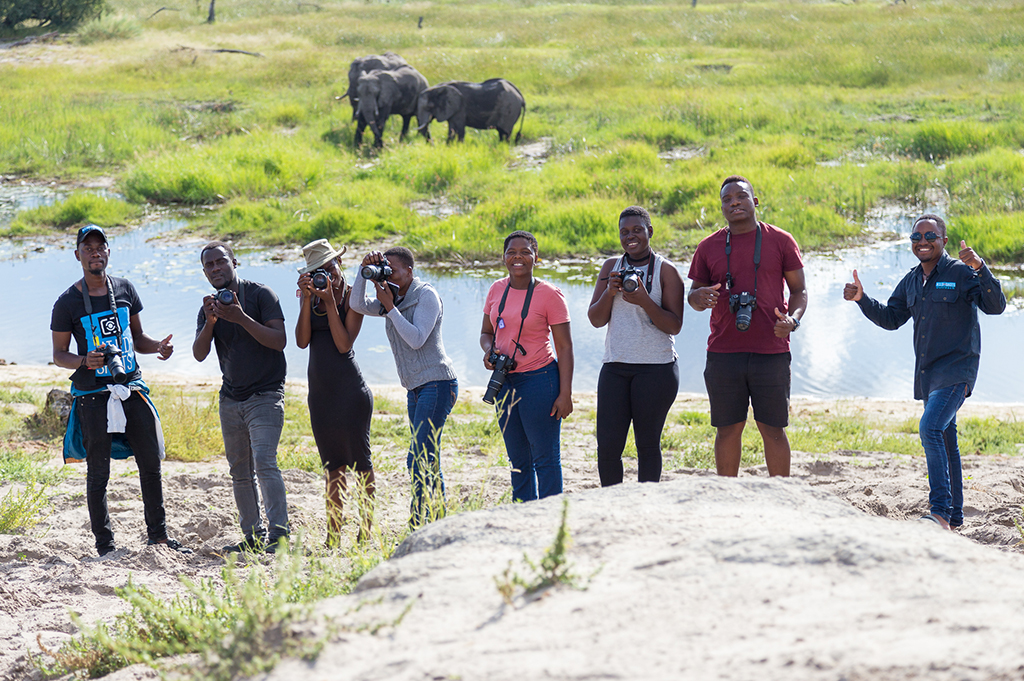
Our partner Wild Shots Outreach uses photography as a creative tool to build confidence while encouraging children to see wildlife through a new lens. Coaching Conservation uses sport to communicate conservation messages, and we support their work through funding and access.
In Namibia, the KEEP programme, developed by the Giraffe Conservation Foundation, introduces urban schoolchildren to the natural world, sparking early interest in conservation and environmental stewardship.
Human-Elephant Conflict Mitigation
Where people and elephants share space, conflict can arise. To help reduce this, we fund the Botswana Predator Conservation (BPC) BioBoundary Project, which explores the effectiveness of plant-based, airborne repellents designed to deter elephants from crops and infrastructure without causing harm.
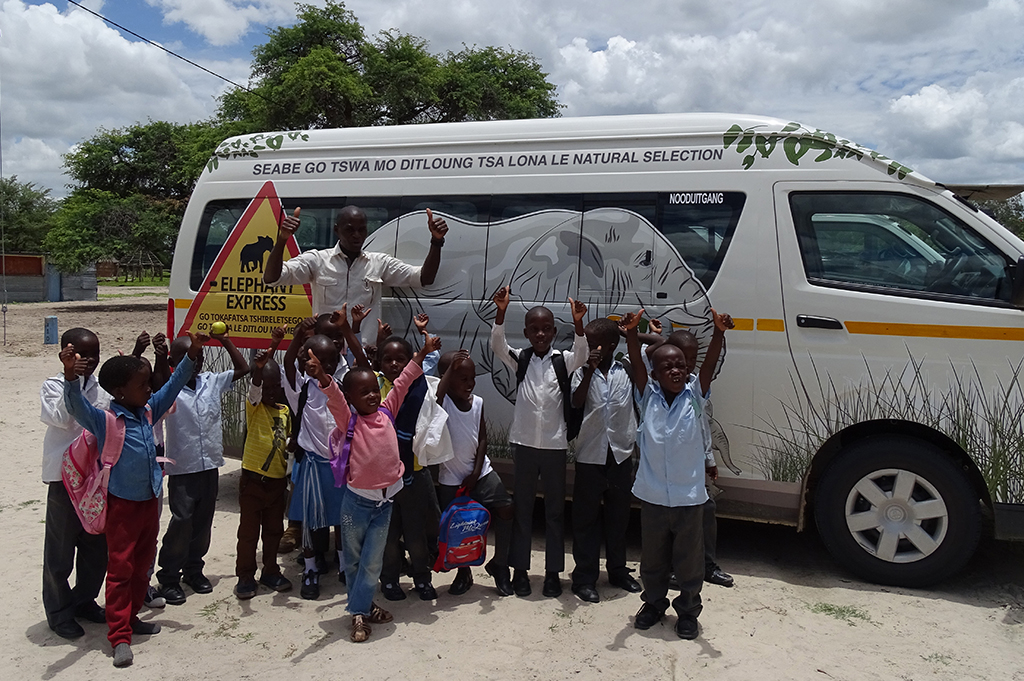
Safety for both people and elephants is further enhanced through the Elephant Express buses. Operated in partnership with EcoExist and the Okavango Community Trust, and insured by SATIB and the Botswana Insurance Company, these buses provide safe transport for schoolchildren and clinic patients through active elephant corridors.
We also work closely with Elephants for Africa to collar and monitor elephants, providing valuable data on movement patterns and behaviour. This information helps communities better protect their livelihoods and informs planning around high-risk conflict zones. In Moreomaoto Village, we support Living with Wildlife Strategy Workshops, which encourage dialogue and practical solutions for coexistence.
Anti-Poaching Efforts
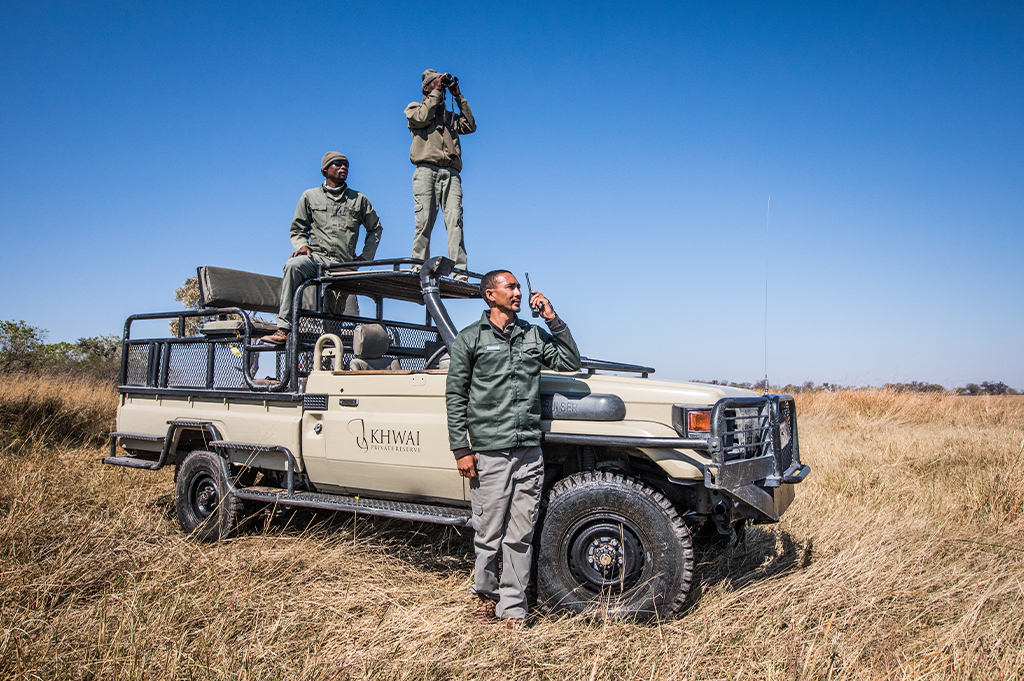
Protecting elephants from poaching remains a critical priority. In Botswana’s Khwai Private Reserve, we support the Anti-Poaching Unit by ensuring rangers are well equipped and well trained. Radios, tablets, drones, and motorbikes improve patrol coverage and response times, while ongoing training ensures rangers are prepared for evolving threats.
Elephant conservation is not static. Threats change, landscapes shift, and solutions must evolve. By working alongside trusted partners and communities who share our values, we remain committed to adapting our approach to meet the needs of the African Savanna Elephant—now and into the future.