Once fragmented farmland, Etosha Heights Private Reserve is now a restored, unfenced wilderness where wildlife moves freely across 60,000 hectares. Since 2017, it has formed a vital buffer along the southern boundary of Etosha National Park, helping reconnect habitats across the wider Etosha ecosystem.
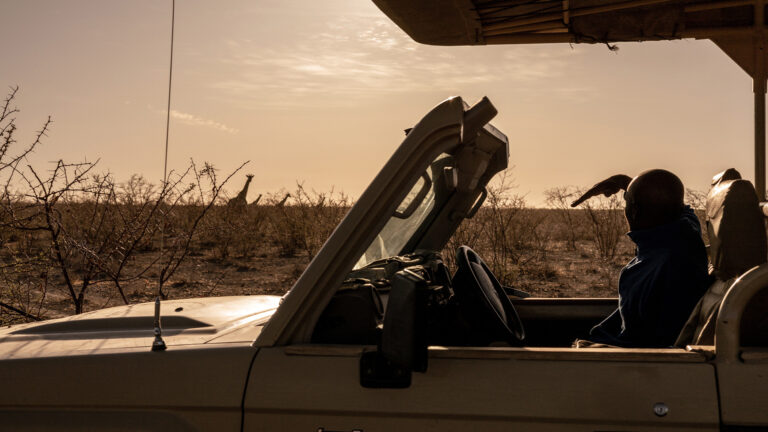
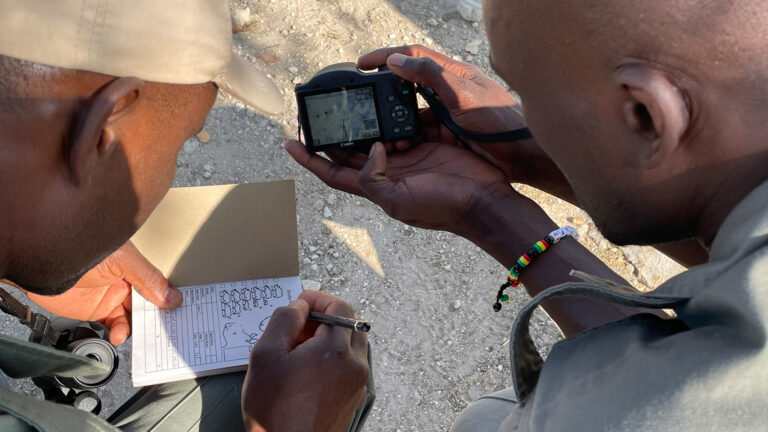
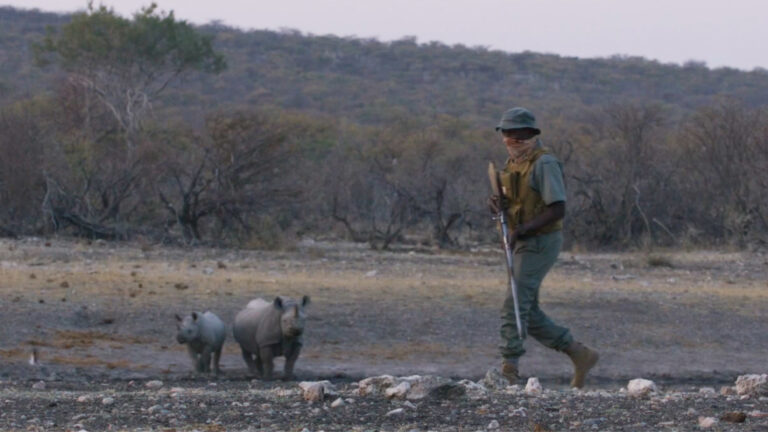
Wildlife monitoring sits at the heart of this recovery. Bi-annual counts and long-term field monitoring show clear gains in both species diversity and population numbers, including black and white rhino, elephant, black-faced impala, sable antelope and lion. The reserve also supports important roosting and bathing sites for Namibia’s vulnerable white-backed and lappet-faced vultures.
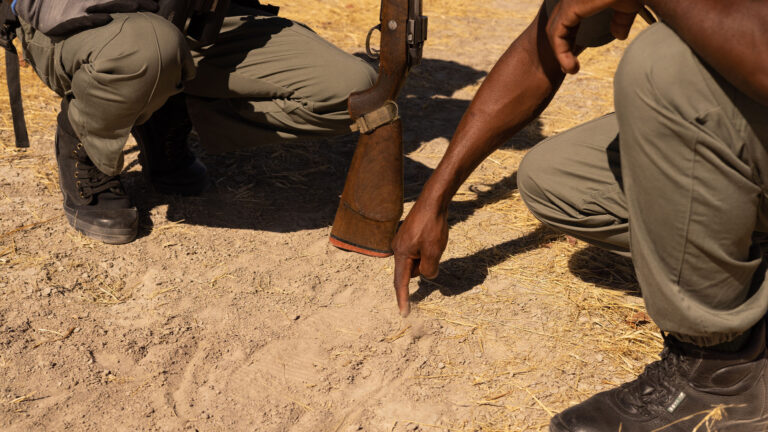
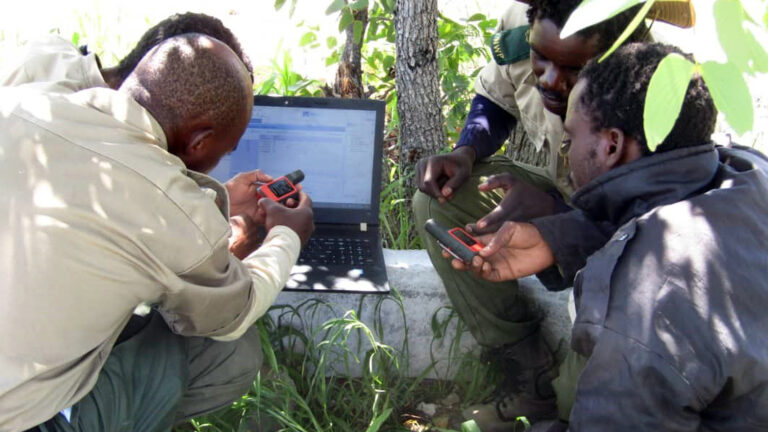
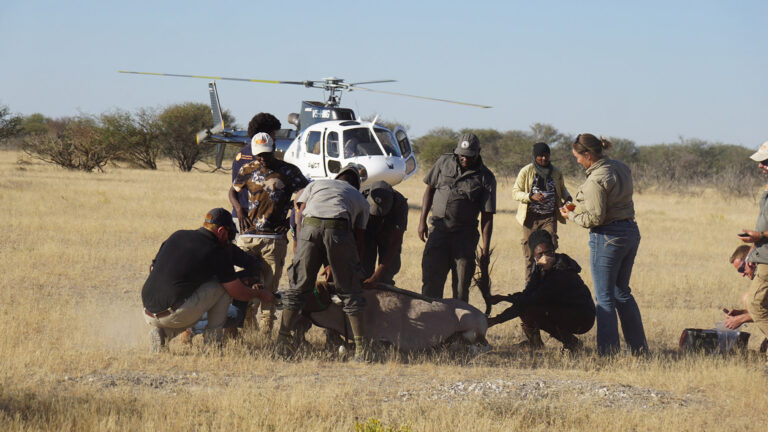
Monitoring goes beyond counting animals. Ongoing research, collaring and movement studies provide insight into predator–prey dynamics, species recovery and how wildlife moves through connected landscapes. This data helps guide conservation decisions at Etosha Heights and across the broader region.
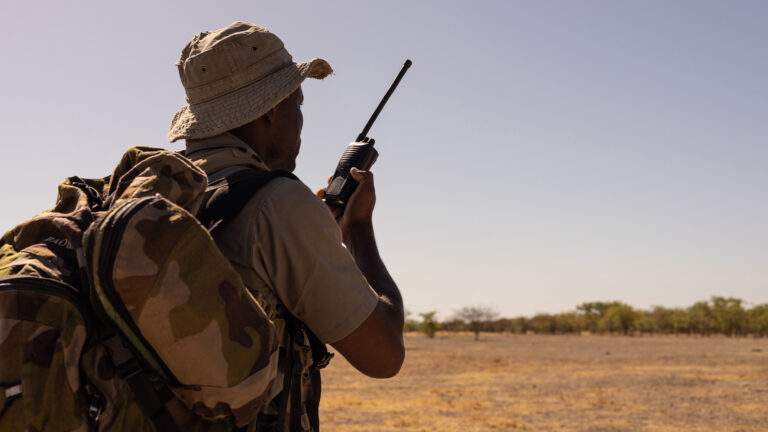
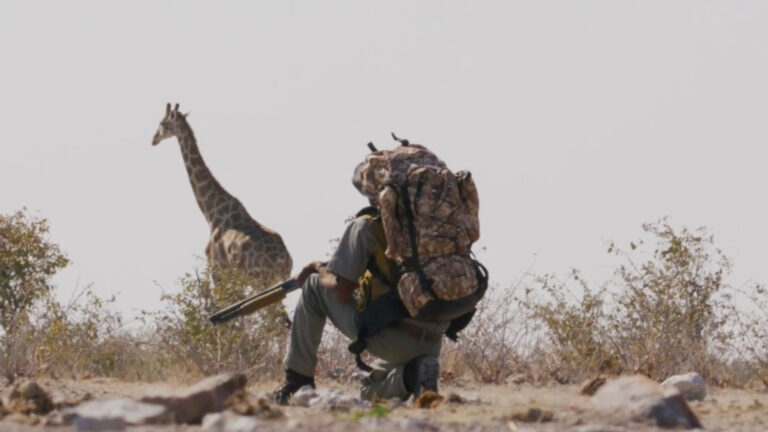
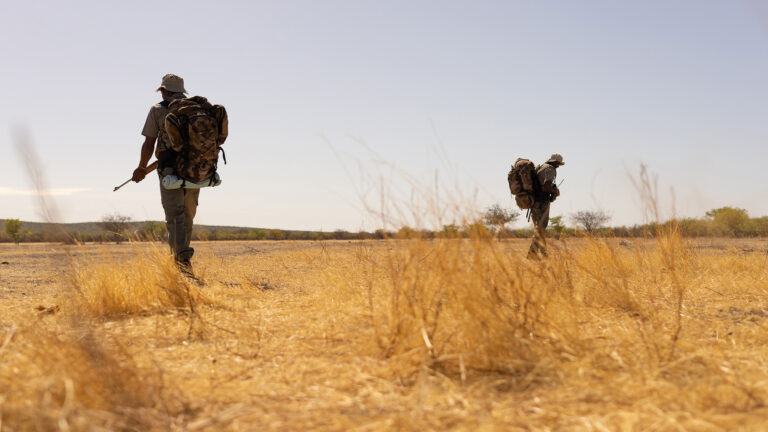
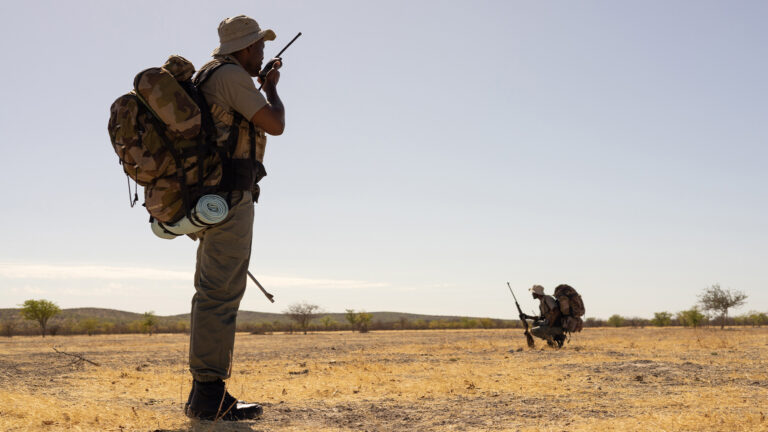
In the reserve a team of rangers works around the clock to track wildlife, deter illegal activity and respond to threats. Their work is supported through Natural Selection’s Trust and the Conservation, Community & Reserve (CCR) fee, helping sustain long-term protection efforts.
Rangers are equipped with thermal imaging, night-vision equipment, surveillance cameras, radios, satellite phones and drones. A growing camera network strengthens early detection and response. While ongoing training and equipment upgrades keep teams effective, and include specialised rhino monitoring training based on IUCN African Rhino Specialist Group best-practice guidelines and adapted locally by Save the Rhino Trust.
Together trained rangers and careful monitoring help Etosha Heights Private Reserve remain a safe place for wildlife. Through the dedication of this team, wildlife here will remain protected long into the future.